Festival Internacional de Carrilhão 2026 | International Carillon Festival 2026
Festival Internacional de Carrilhão de Mafra 2026
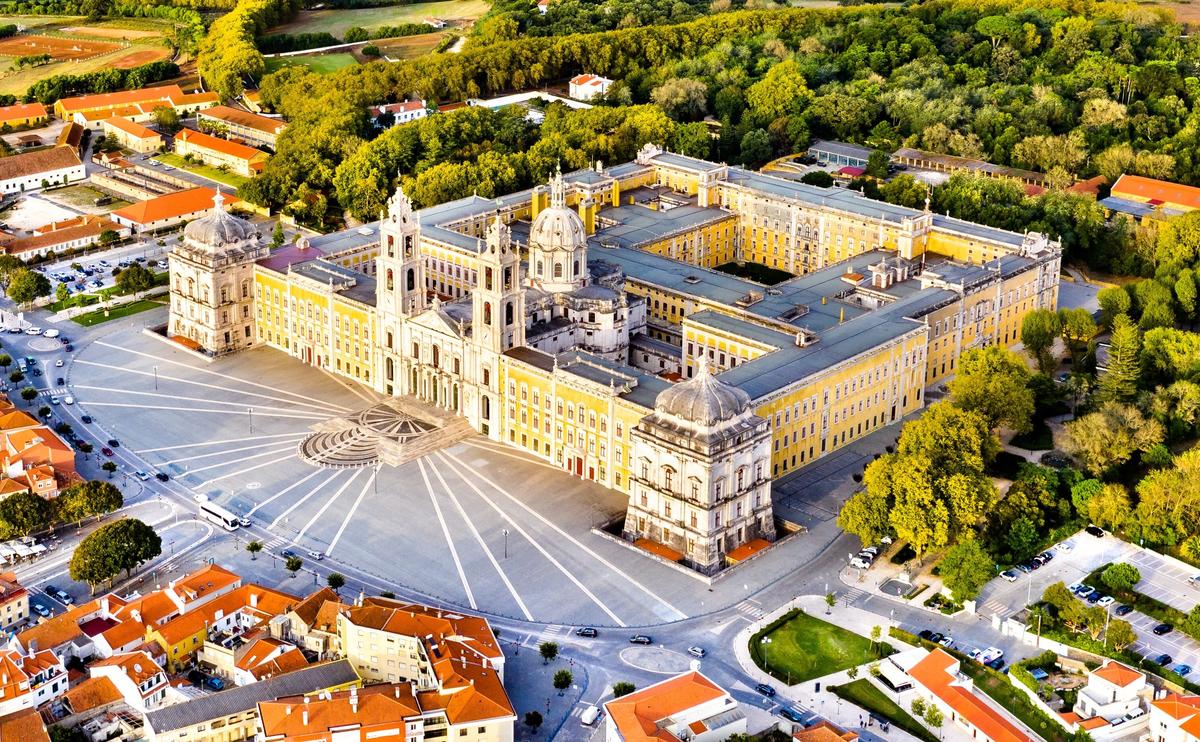
Prepare-se para a edição de 2026 do Festival Internacional de Carrilhão de Mafra, que reunirá no Palácio Nacional de Mafra alguns dos mais destacados intérpretes da atualidade. Nos dias 24, 25, 27 e 28 de junho, com um interregno no dia 26, o som monumental dos sinos voltará a transformar a Torre Sul num palco privilegiado de encontro entre tradição, virtuosismo e imaginação musical, tendo o Claustro Sul como espaço de escuta privilegiado para uma experiência envolvente e memorável.
Integrado no espírito celebrativo do Congresso Mundial de Carrilhão – Mafra 2026, que se realiza pela primeira vez em Portugal, este festival propõe uma verdadeira viagem sonora por diferentes geografias, escolas e sensibilidades artísticas. Ao longo de quatro concertos, cada um partilhado por vários intérpretes, o público poderá escutar propostas provenientes de diversas tradições carrilhanísticas — de Portugal à Austrália, passando pela Bélgica, Canadá, Dinamarca, Catalunha, Polónia, Irlanda, França, Alemanha e Países Baixos — numa rara oportunidade de contacto com a riqueza e a diversidade do universo internacional do carrilhão.
O concerto de abertura, no dia 24 de junho, reunirá Abel Chaves, carrilhanista titular do Palácio Nacional de Mafra e director artístico do Festival e do Congresso Mundial de Carrilhão – Mafra 2026; Francine Berte, Patrice Poliart e Marie Christine Delmoitiez, ligados à tradição de Soignies e à Association Campanaire Wallonne; e Andrée-Anne Doane, carrilhanista titular do Oratório de São José, em Montreal, e investigadora da obra de Émilien Allard.
No dia 25 de junho, a tradição escandinava será representada por Peter Langberg, figura de referência enquanto intérprete, pedagogo, compositor e fundador da Escola Escandinava de Carrilhão. Segue-se Blai Ciurana, carrilhanista catalão e campanólogo, que evocará a identidade musical da Catalunha, incluindo uma homenagem ao universo arquitectónico de Antoni Gaudí. O concerto contará ainda com Malgosia Fiebig, carrilhanista municipal de Utrecht e Nijmegen, com um programa ligado à criação contemporânea e à música polaca.
Após o interregno do dia 26, o festival prossegue a 27 de junho com Oisín Dilger, jovem intérprete e compositor irlandês, interessado tanto no repertório barroco como no jazz e na criação actual. A vitalidade da escola flamenga estará presente com Twan Bearda e Koen Van Assche, combinando experiência interpretativa, prática pedagógica e composição belga. A tradição francesa será representada por Adrien Parret e Elizabeth Vitu, entre a construção de órgãos, a investigação campanológica e a direcção artística de festivais.
O concerto de encerramento, no dia 28 de junho, contará com Ariane Toffel e Georg Wagner, carrilhanistas municipais em Aschaffenburg, Bad Godesberg e Bona; Bob van der Linde, dos Países Baixos, que junta ao carrilhão a sua experiência como organista, músico de igreja e improvisador; e Isaac Wong, primeiro australiano diplomado pela Escola Real de Carrilhão “Jef Denyn”, que encerrará esta ampla geografia sonora com um programa que cruza tradição clássica, inspiração portuguesa e referências da Pop Culture.
Para uma experiência ainda mais imersiva, o Claustro Sul do Palácio contará com ecrãs estrategicamente posicionados, permitindo ao público acompanhar de perto os intrincados movimentos dos carrilhanistas e a técnica exigente que torna única a execução deste instrumento monumental. Tudo isto num dos cenários mais emblemáticos do património nacional: o majestoso Palácio Nacional de Mafra.
Mafra International Carillon Festival 2026
Prepare yourself for a truly extraordinary edition of the Mafra International Carillon Festival, which in 2026 will bring together at the National Palace of Mafra some of today’s most distinguished performers. On June 24th, 25th, 27th and 28th, with a well-deserved pause on the 26th to allow our guest artists to rest, the monumental sound of the bells will once again transform the South Tower into a privileged stage for encounters between tradition, virtuosity and musical imagination, with the South Cloister offering an exceptional listening space for an immersive and memorable experience.
Held in the celebratory spirit of the World Carillon Congress – Mafra 2026, taking place in Portugal for the first time, this festival proposes a true sonic journey through different geographies, schools and artistic sensibilities. Across four concerts, each shared by several performers, audiences will be able to hear programmes drawn from diverse carillon traditions — from Portugal to Australia, via Belgium, Canada, Denmark, Catalonia, Poland, Ireland, France, Germany and the Netherlands — in a rare opportunity to experience the richness and diversity of the international carillon world.
The opening concert, on June 24th, will bring together Abel Chaves, titular carillonist of the National Palace of Mafra and artistic director of the Festival and of the World Carillon Congress – Mafra 2026; Francine Berte, Patrice Poliart and Marie Christine Delmoitiez, associated with the Soignies tradition and the Association Campanaire Wallonne; and Andrée-Anne Doane, titular carillonist of Saint Joseph’s Oratory in Montreal and researcher into the work of Émilien Allard.
On June 25th, the Scandinavian tradition will be represented by Peter Langberg, a leading figure as performer, teacher, composer and founder of the Scandinavian Carillon School. He will be followed by Blai Ciurana, Catalan carillonist and campanologist, who will evoke the musical identity of Catalonia, including a tribute to the architectural world of Antoni Gaudí. The concert will also feature Malgosia Fiebig, city carillonist of Utrecht and Nijmegen, with a programme connected to contemporary creation and Polish music.
After the pause on the 26th, the festival continues on June 27th with Oisín Dilger, a young Irish performer and composer with an interest in Baroque repertoire, jazz and contemporary creation. The vitality of the Flemish school will be represented by Twan Bearda and Koen Van Assche, combining performing experience, pedagogical practice and Belgian composition. The French tradition will be represented by Adrien Parret and Elizabeth Vitu, bringing together organ building, campanological research and the artistic direction of festivals.
The closing concert, on June 28th, will feature Ariane Toffel and Georg Wagner, city carillonists in Aschaffenburg, Bad Godesberg and Bonn; Bob van der Linde, from the Netherlands, who brings to the carillon his experience as an organist, church musician and improviser; and Isaac Wong, the first Australian graduate of the Royal Carillon School “Jef Denyn”, who will close this wide-ranging musical geography with a programme that combines classical tradition, Portuguese inspiration and references to Pop Culture.
For an even more immersive experience, the South Cloister of the Palace will be equipped with strategically positioned screens, allowing audiences to follow close up the intricate movements of the carillonists and the demanding technique that makes the performance of this monumental instrument so unique. All this in one of the most emblematic settings of Portugal’s national heritage: the majestic National Palace of Mafra.